
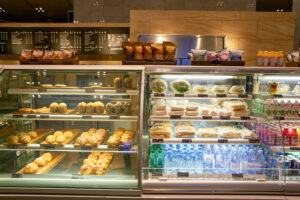
For any commercial kitchen, food safety is a top priority. Improper storage or temperature management can lead to spoilage, foodborne illnesses, and costly health code violations. Commercial refrigeration plays a critical role in keeping perishable items fresh, but equipment alone isn’t enough. Proper practices, staff training, and timely refrigeration repair are essential to maintain safe, compliant operations.
Why Proper Refrigeration Matters
Maintaining correct temperatures prevents bacterial growth, ensures quality, and protects your customers. Even short periods of improper cooling can compromise food safety. Common risks include:
- Cross-contamination of raw and cooked foods
- Undercooked or spoiled ingredients
- Ice buildup reducing cooling efficiency
- Compressor or thermostat malfunctions
Failing to address these issues not only increases waste but also exposes your business to liability and potential fines.
Key Food Safety Tips for Commercial Kitchens
1. Monitor Temperatures Regularly
- Keep refrigerators at 38–40°F and freezers at 0°F.
- Use calibrated thermometers and digital sensors for accuracy.
- Record readings daily to maintain compliance with health regulations.
2. Separate and Label Food Correctly
- Store raw meats, seafood, and poultry below ready-to-eat items to prevent cross-contamination.
- Label all items with dates and rotate stock using FIFO (first in, first out).
3. Maintain Equipment Cleanliness
- Regularly clean shelves, walls, and door gaskets.
- Prevent spills and debris from interfering with airflow.
- Schedule routine inspections and refrigeration repair if equipment isn’t performing properly. Learn more about our commercial refrigeration services.
4. Avoid Overloading Units
Overpacking coolers and freezers blocks airflow, leading to uneven temperatures and increased energy use. Organize items to allow air to circulate freely while maintaining easy access.
The Human Factor in Food Safety
Even the best equipment can fail if staff aren’t properly trained. Staff should know how to:
- Handle food safely during storage and preparation
- Quickly retrieve items to minimize door openings
- Report any unusual equipment behavior immediately
- Perform simple daily checks, like wiping up spills or checking temperature logs
Training staff reduces errors, prevents waste, and ensures that refrigeration systems operate efficiently.
When to Call for Professional Refrigeration Repair
Even with careful practices, commercial refrigeration equipment can malfunction. Signs you need expert repair include:
- Fluctuating temperatures
- Unusual noises or compressor cycling
- Frost buildup or leaking condensate
- Doors not sealing properly
Prompt refrigeration repair minimizes risk to food safety and prevents minor problems from becoming major, costly failures.
Emergency Food Safety Procedures for Refrigeration Failures
Even with well-maintained equipment, emergencies can happen. Knowing what to do during a refrigeration failure can protect your inventory and prevent safety violations.
Key steps include:
- Assess the situation immediately: Determine which units are affected and whether temperatures are rising above safe levels.
- Prioritize perishable items: Move high-risk foods like dairy, seafood, and meat to alternative cooling or freezing units if available.
- Monitor temperatures closely: Use thermometers or digital sensors to track how quickly temperatures rise.
- Limit door openings: Keep doors closed to maintain as much cold air as possible.
- Call professionals promptly: Contact a licensed refrigeration repair service like East Bay Refrigeration to address the problem before it worsens.
Following these steps can prevent extensive food loss and ensure your kitchen stays compliant with health regulations.
Smart Technology for Food Safety
Modern smart solutions enhance food safety while reducing labor:
- Remote monitoring alerts you when temperatures drift out of safe ranges
- Automated defrost cycles keep freezers efficient
- Predictive maintenance helps prevent unexpected breakdowns
Integrating these tools ensures that both your food and your business are protected.
Benefits of Proper Refrigeration Practices
Implementing proper food storage, monitoring, staff training, and professional support leads to:
- Reduced food spoilage and waste
- Compliance with health and safety standards
- Lower operational costs from efficient equipment use
- Fewer emergency refrigeration repair calls
Work With Trusted Commercial Refrigeration Experts
At East Bay Refrigeration, we know how vital proper refrigeration is to food safety. Our experienced team offers professional installation, ongoing maintenance, and prompt emergency refrigeration repair to ensure your kitchen operates smoothly and your food stays protected.
Call us at (510) 940-8917 or Contact Us to schedule a consultation and protect your food, staff, and business with expert commercial refrigeration solutions.