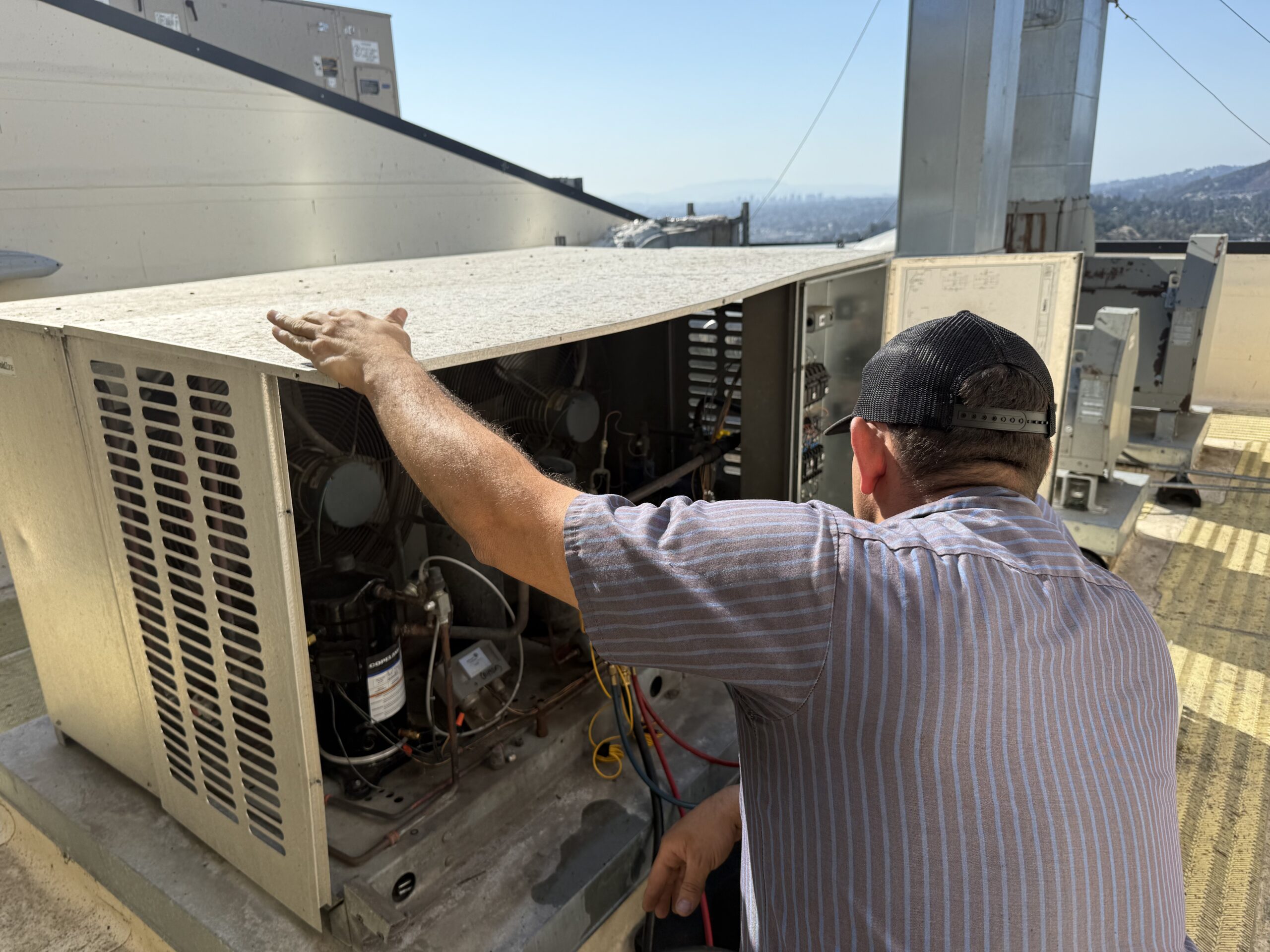
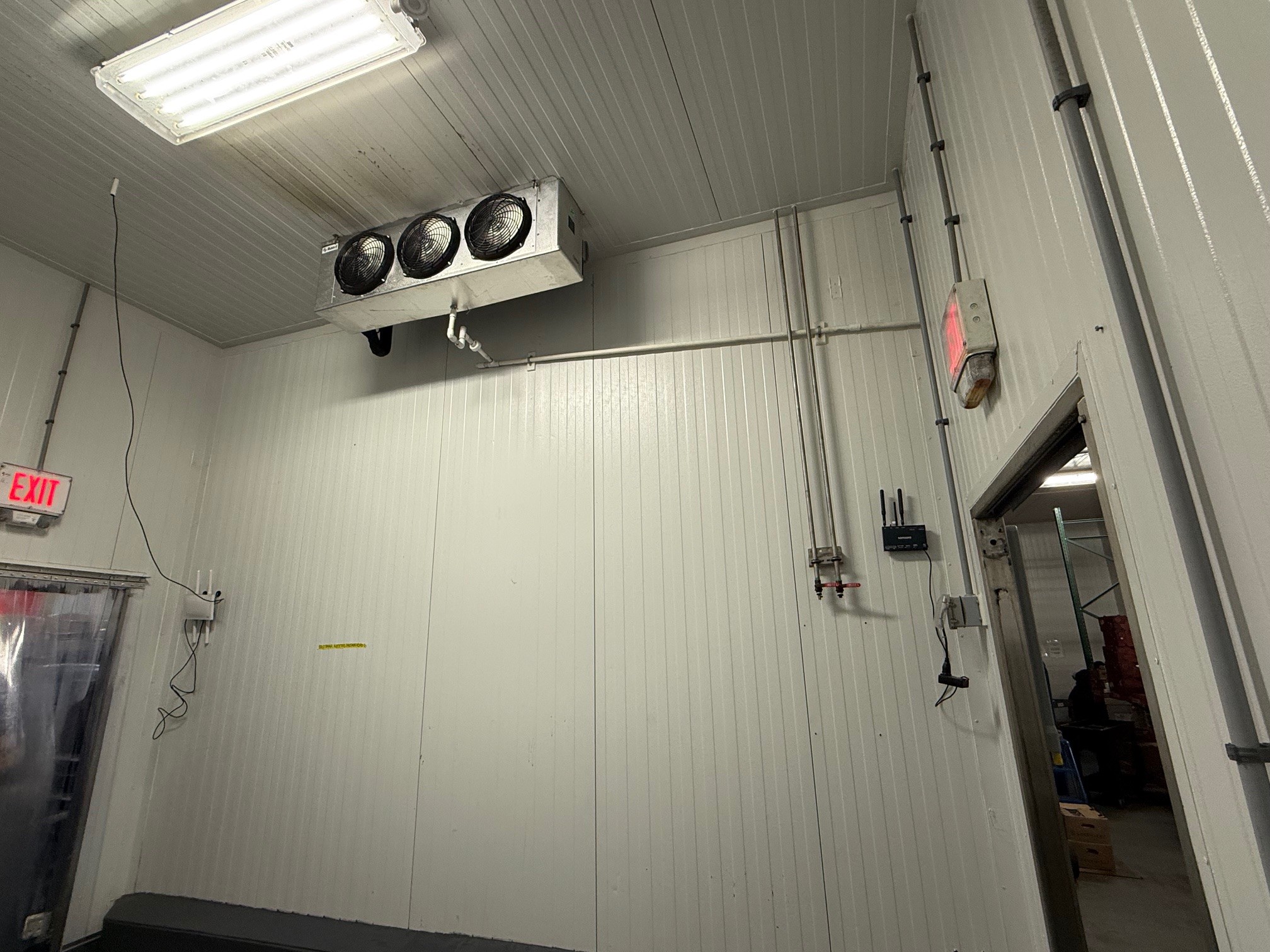
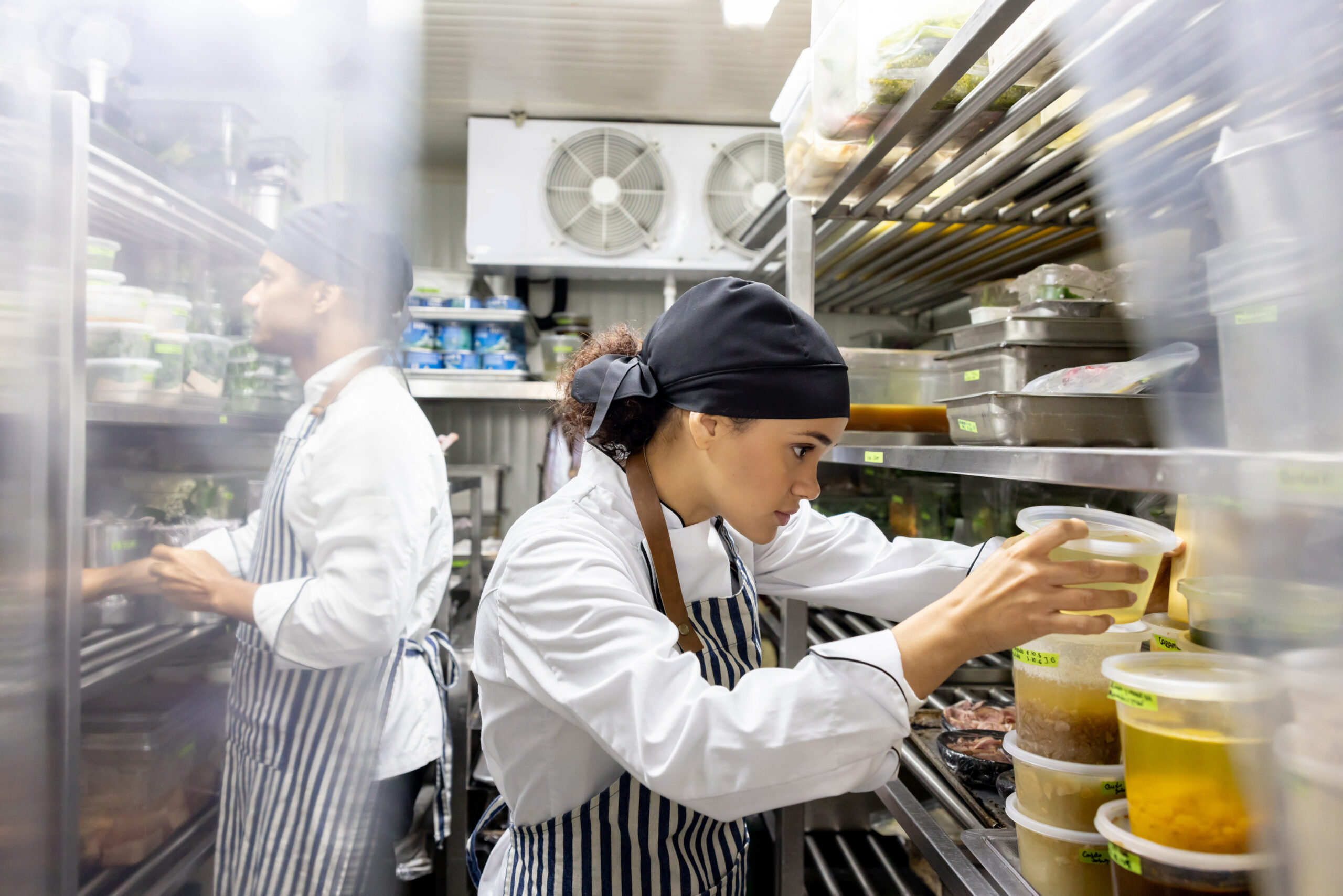
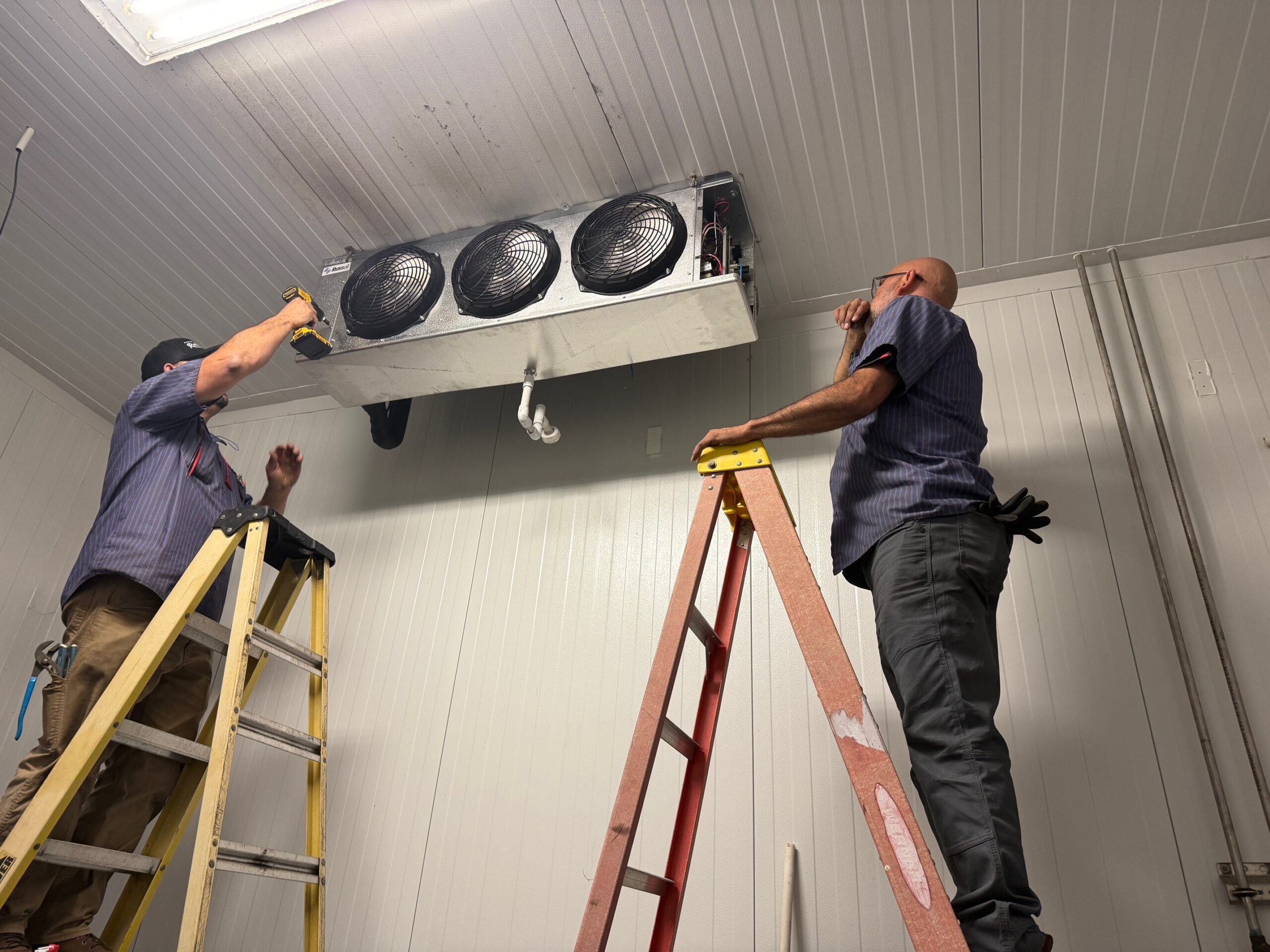
A walk-in cooler that ran fine all summer can start losing temperature in September. In much of the Bay Area, the hottest stretch of the year lands after Labor Day,
A commercial walk-in freezer is not one piece of equipment that either works or fails all at once. It is a group of components that
A lot of the commercial kitchens we work in across San Francisco and Oakland occupy spaces that were originally built for an entirely different purpose.
Most conversations about ice machines focus on what happens after one breaks down. But one of the biggest decisions a restaurant, café, bar, or food
Summer can put extra strain on commercial refrigeration equipment, especially for restaurants, bars, grocery stores, hotels and other food service businesses. When temperatures rise and
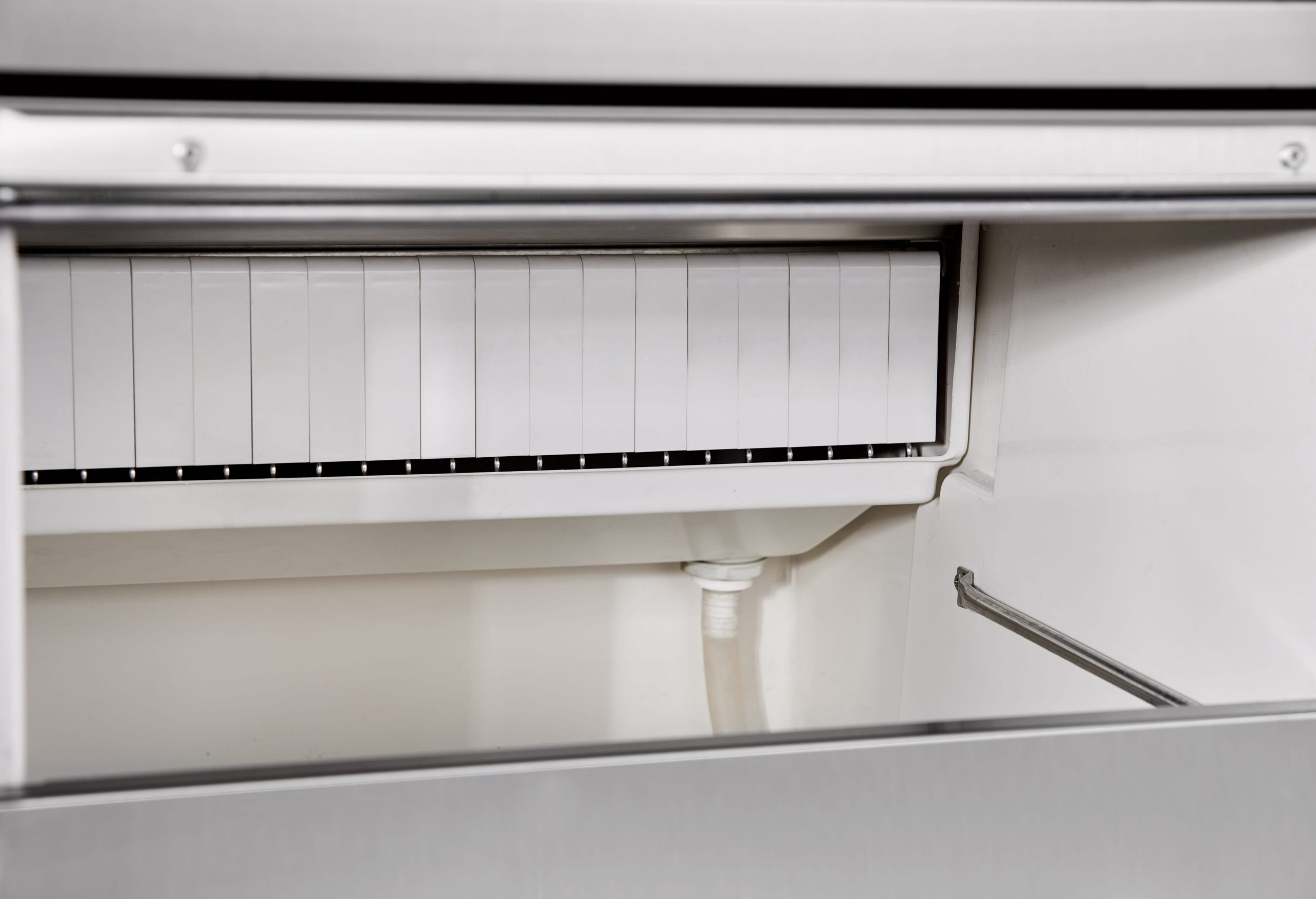
Commercial ice machine problems often start with small warning signs: cloudy ice, slower production, leaks, error codes, unusual noises, or ice with an off taste
A timely reminder for Bay Area restaurants, hotels, bars, cafeterias, and commercial kitchens before peak ice demand hits. Summer is when commercial ice machines are
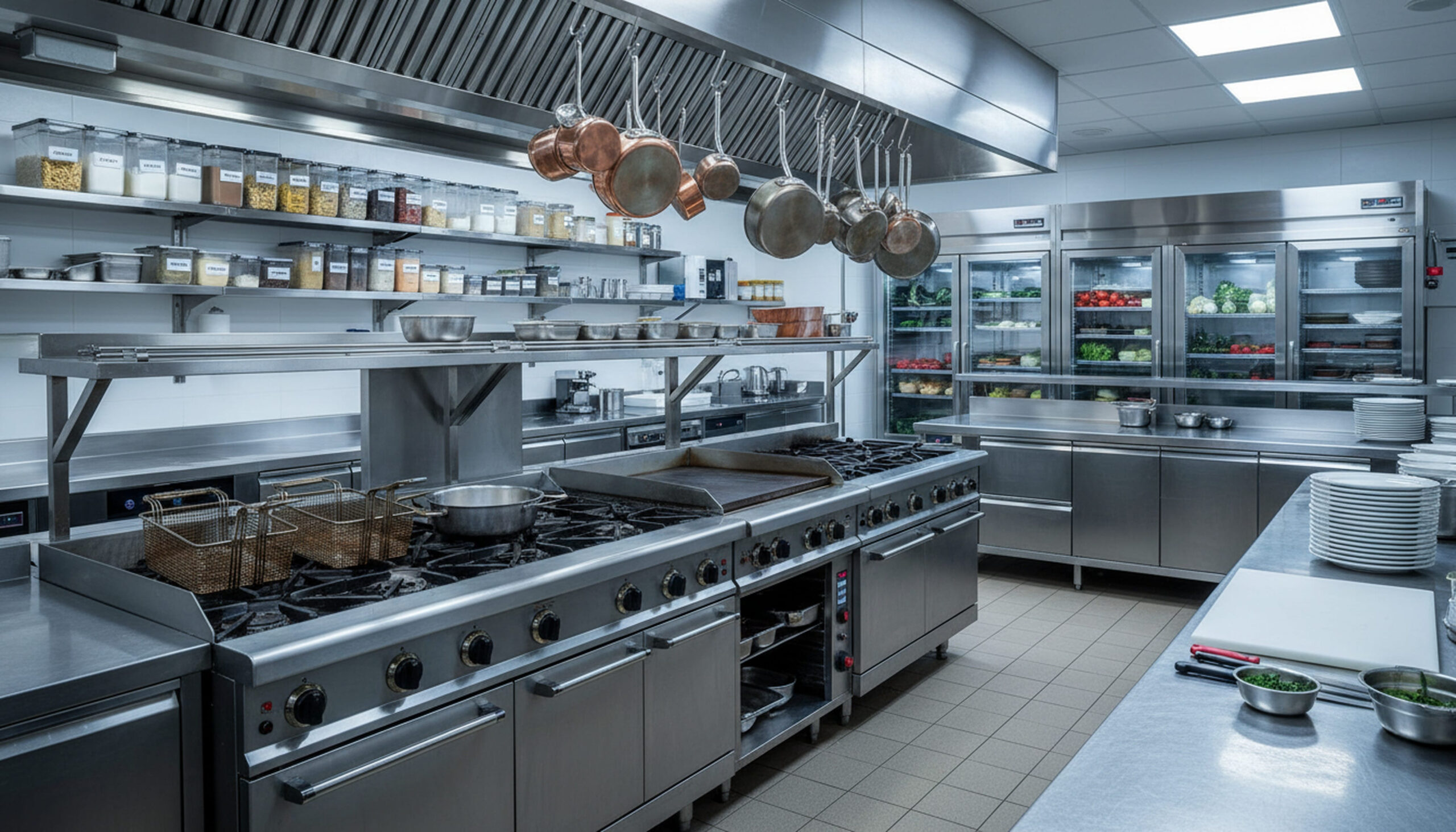
Commercial kitchen refrigeration works in a tough environment. Heat from cooking equipment, grease in the air, blocked clearances, and poor airflow can all make reach-ins,
Every summer in San Francisco and the surrounding Bay Area, commercial businesses run into the same problem: critical cooling systems fail right when they’re needed
Ice machines tend to fail more frequently than most other commercial refrigeration equipment . They have more mechanical components, require more frequent cleaning, and are
When a walk-in cooler stops cooling, every minute counts. Product spoilage starts fast. This guide covers the most common causes and what to check before
If you run a restaurant, grocery store, or any food service operation in the Bay Area, your walk-in cooler or freezer is probably the most
Running a restaurant is an exercise in managing a hundred things at once. In that context, it’s easy to understand how the walk-in cooler ends
Whether you run a restaurant, grocery store, or food service facility, reliable cooling equipment is essential for preserving inventory and maintaining compliance. While timely refrigeration
Most refrigeration failures don’t come out of nowhere. They give you warning signs. The problem is that many of those signs aren’t seen. What Actually
Most operators plan for equipment purchases. Very few plan for what happens when that equipment starts to fail. And that’s where the real cost shows
If you run a commercial kitchen, bar, grocery operation, or any business that depends on refrigeration, you’ve probably asked this at some point: “Is it
For any commercial kitchen, food safety is a top priority. Improper storage or temperature management can lead to spoilage, foodborne illnesses, and costly health code
When your business relies on commercial refrigeration, choosing a service provider with experience across multiple brands and systems is critical. Not all refrigeration equipment is
For commercial kitchens, efficient use of commercial refrigeration space is essential. Walk-in coolers and freezers are costly investments, and improper organization can lead to wasted
Running commercial refrigeration equipment comes with many challenges, and one of the most significant expenses is energy usage. Commercial refrigeration systems are essential for keeping