Every summer in San Francisco and the surrounding Bay Area, commercial businesses run into the same problem: critical cooling systems fail right when they’re needed most.
For restaurants, grocery stores, cold storage facilities, and commercial kitchens, this isn’t just uncomfortable, it’s lost inventory, downtime, and revenue loss.
In many cases, these failures develop gradually over time and may show early warning signs, especially under heavy use or seasonal demand.
At East Bay Refrigeration, we regularly respond to emergency service calls across San Francisco where the root cause often traces back to issues that develop gradually under normal operating conditions.
Why Commercial Cooling Systems Fail in the Bay Area
San Francisco presents a unique environment for refrigeration and HVAC systems:
- Coastal moisture and salt exposure accelerate corrosion
- Temperature swings between morning fog and afternoon heat stress systems
- High-density urban environments increase debris and airflow restrictions
- Heavy kitchen usage leads to grease buildup on coils and components
These factors combine to make preventive maintenance especially important for reliable system performance.
The Real Cost of Waiting Until It Breaks
When a system fails during peak demand, the impact is immediate:
- Spoiled inventory (especially for restaurants and markets)
- Emergency repair costs at premium rates
- Delays due to technician availability during peak season
- Disruption to staff and customers
A proactive maintenance visit costs a fraction of a mid-summer emergency repair.
10 Key Maintenance Steps That Help Prevent Failures
1. Clean Condenser Coils
What happens if you don’t:
Dirty coils reduce heat transfer, forcing compressors to work harder and increasing energy costs.
San Francisco factor:
Salt air and urban debris build up faster than in inland areas.
2. Check Refrigerant Levels
Improper refrigerant levels reduce efficiency and can damage compressors.
Important:
Adding refrigerant without addressing the underlying cause may only provide a temporary solution.
3. Test and Replace Capacitors
Capacitors weaken over time but often fail during high-demand periods.
Common scenario:
The system works fine in mild weather, then suddenly won’t start on a hot day.
4. Confirm Evaporator Fan Motor Operation
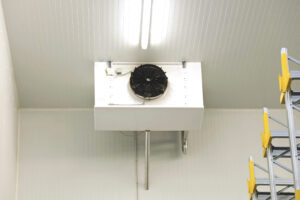
Evaporator fans are responsible for circulating cold air throughout the unit.
What happens if they’re not working properly:
- Uneven cooling
- Warm spots inside the unit
- Increased strain on the compressor
Important: Fan motor issues often develop gradually and may only become noticeable during peak demand. Schedule preventive maintenance to make sure that you are staying ahead of possible breakdowns.
5. Confirm Condenser Fan Motor Operation
Condenser fans help remove heat from the system.
What happens if they fail:
- System overheating
- Reduced cooling efficiency
- Potential compressor failure
San Francisco factor:
Outdoor condensers in coastal environments are especially prone to wear from moisture and salt exposure.
6. Tighten Electrical Connections
Loose connections lead to:
- Overheating
- Component failure
- Potential system shutdowns
7. Clear Condensate Drains
Blocked drains cause water backup, which can damage ceilings, walls, and equipment.
8. Verify Thermostat and Controls
Incorrect calibration can make systems run longer than necessary, increasing wear and energy use.
9. Test Economizer Function (Where Applicable)
In San Francisco, cooler outside air can often be used for “free cooling.”
If not functioning properly, systems either:
- Miss energy savings, or
- Pull in warm air when they shouldn’t
10. Record System Performance Data
Tracking performance over time allows early detection of issues before they become failures.
This helps identify issues early, before they lead to system failures.
Industries That Benefit Most from Preventative Service
East Bay Refrigeration supports a wide range of commercial clients in San Francisco, including:
- Restaurants and commercial kitchens
- Food processing facilities
- Bars and breweries
- Hotels and hospitality
- Medical and laboratory environments
- Cold storage and distribution
These industries rely on consistent cooling, and even minor disruptions can have major consequences.
Why Timing Matters in the Bay Area
The best time to schedule service is before peak demand hits.
Once temperatures rise or systems begin failing:
- Service schedules fill quickly
- Emergency pricing increases
- Downtime becomes unavoidable
Businesses that plan ahead avoid the rush and maintain consistent operation.
Work With a Local Commercial Specialist
Not all HVAC companies are equipped to handle commercial refrigeration systems.
East Bay Refrigeration focuses specifically on:
- Commercial refrigeration repair
- Ice machine service and maintenance
- Preventative maintenance programs
- Emergency service across San Francisco and surrounding areas
This specialized experience allows faster diagnosis, more reliable repairs, and fewer repeat issues. Give us a call at (510) 940-8917.
Prevention is Key
Most commercial cooling failures don’t happen suddenly. They build up over time through small, preventable issues.
Addressing those issues early:
- Reduces costs
- Prevents downtime
- Extends equipment lifespan
- Keeps your business running smoothly
If you’re noticing changes in system performance or want to schedule preventive service before peak demand, contact East Bay Refrigeration at (510) 940-8917.